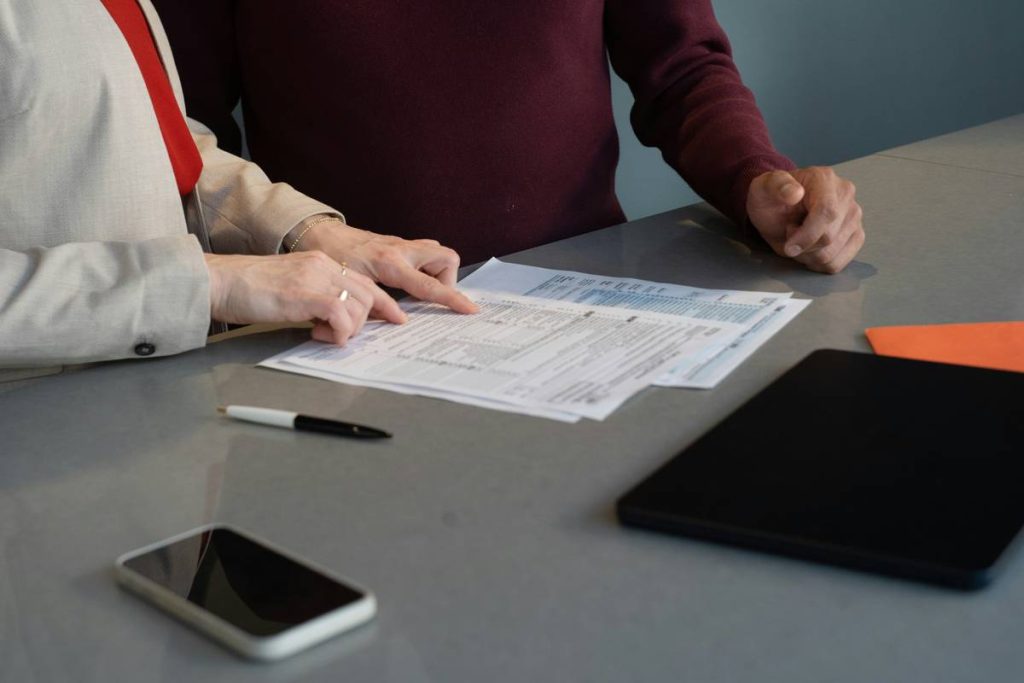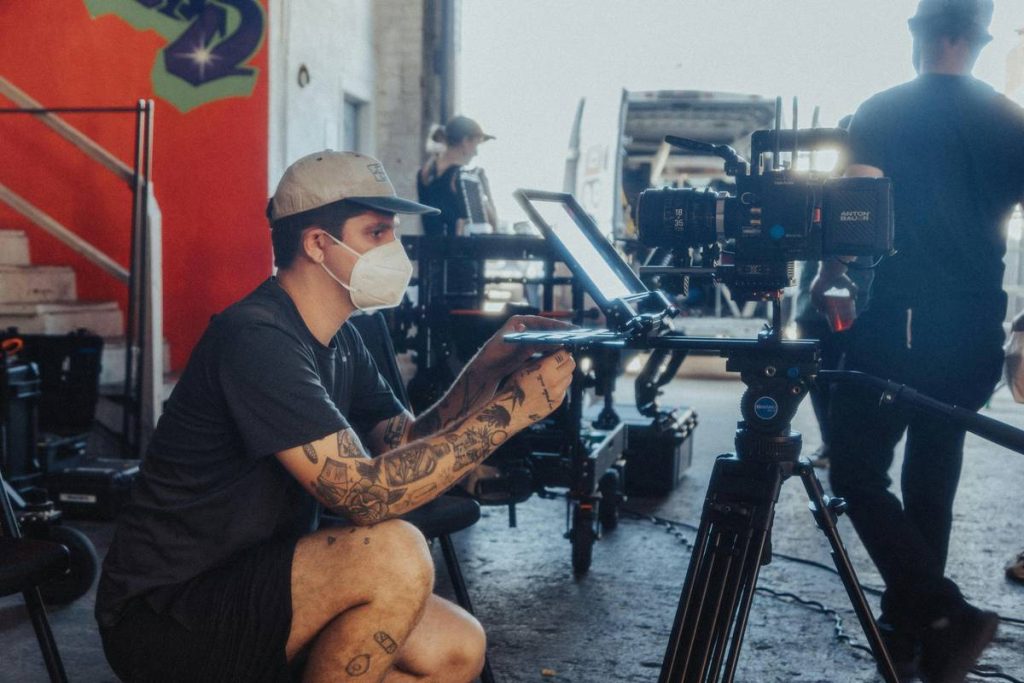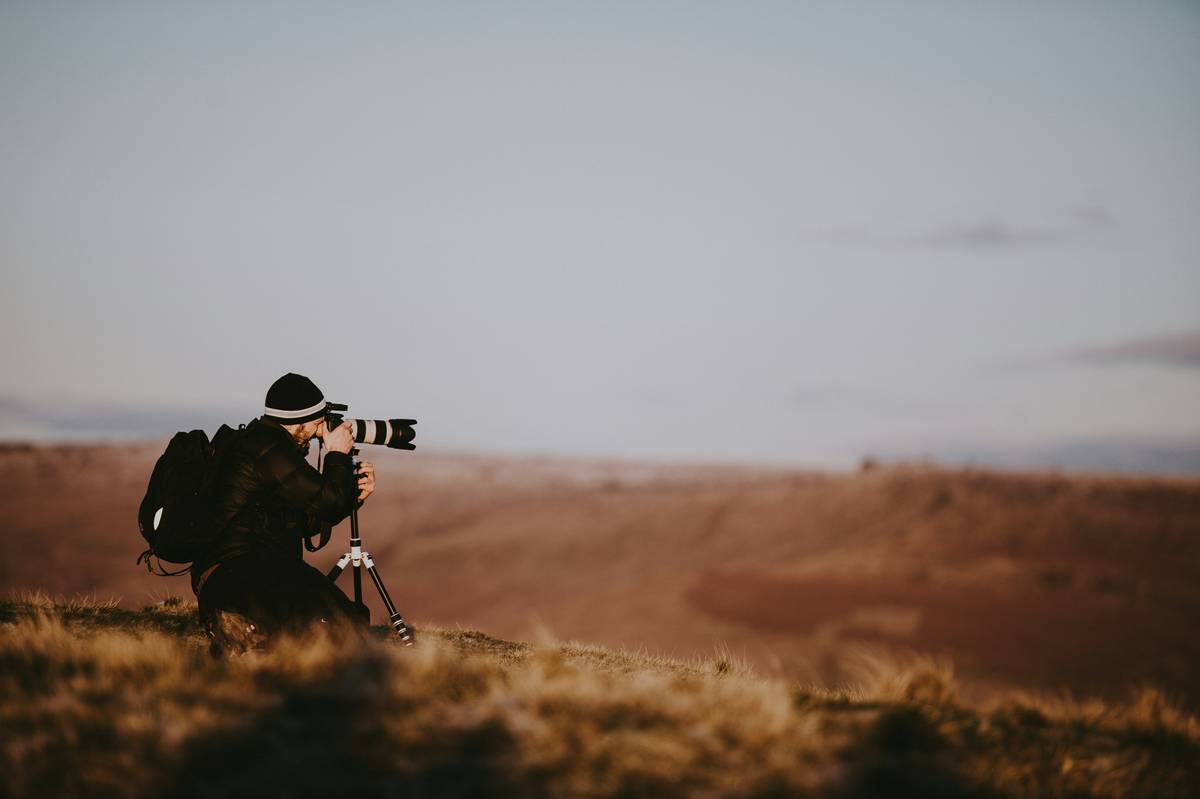
If you’ve ever stared at a shattered lens after a fall or opened your bag to find waterlogged gear, you know the sinking feeling isn’t just emotional—it’s financial. For photographers, videographers, and content creators, equipment isn’t just tools; it’s livelihood. Yet most personal insurance policies treat your $5,000 camera rig like a toaster. That’s where specialized camera gear safeguard plans come in—and why skipping them is one of the costliest oversights in media finance. In this guide, we’ll walk through exactly how to protect your investment without overpaying.
Table of Contents
- Why Camera Gear Needs Special Protection
- Your Step-by-Step Guide to Securing Coverage
- Best Practices for Maximizing Value
- Real-World Results from Smart Insurance Choices
- Frequently Asked Questions
Key Takeaways
- Standard homeowners or renters insurance often excludes professional media equipment or caps coverage far below replacement value.
- Dedicated camera gear safeguard policies cover theft, accidental damage, and even rental gear—critical for freelancers.
- Always document your gear with serial numbers and receipts; insurers require proof of ownership and value.
- Compare annual premiums against your gear’s total value—coverage should cost 1–3% of insured amount.
Why Camera Gear Needs Special Protection
Think your credit card’s purchase protection covers your DSLR? Think again. Most cards only offer 90–120 days of limited coverage and exclude “professional use.” Meanwhile, a single pro-grade lens can cost more than your laptop. According to the National Association of Insurance Commissioners (NAIC), nearly 68% of creative professionals discovered too late that their standard policies excluded business equipment used outside the home.
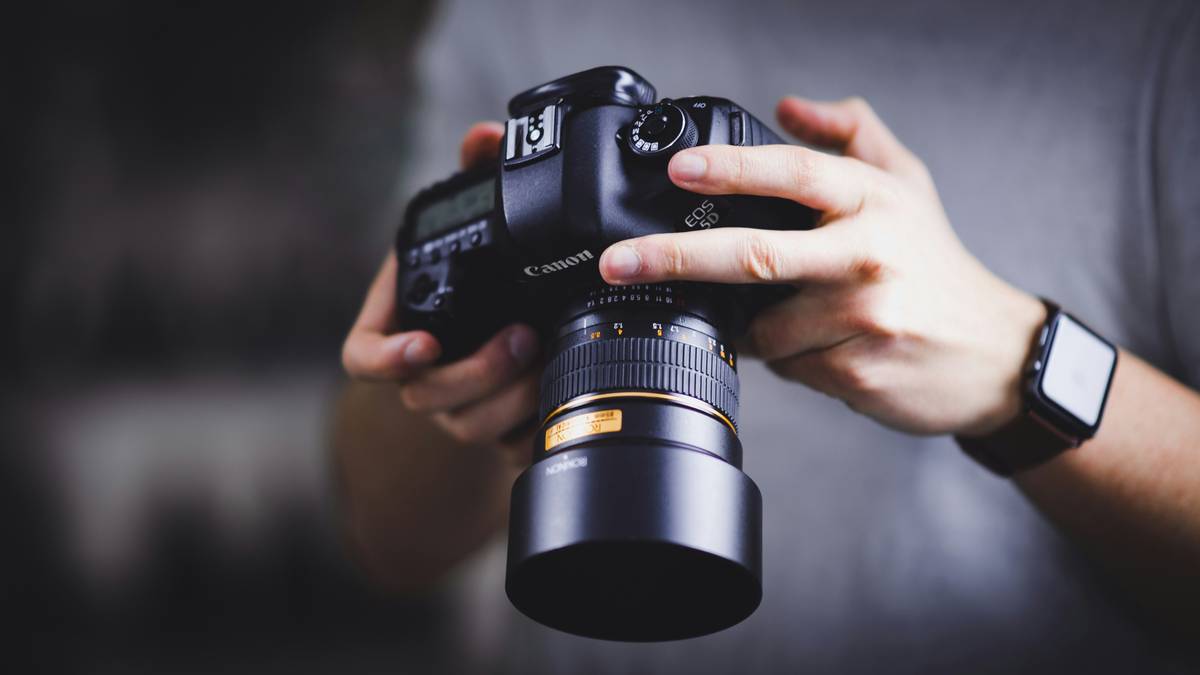
I learned this the hard way during a documentary shoot in Austin. Rain hit unexpectedly, and my backpack zipper failed. My Canon R5 and two lenses soaked through. My renters insurance? Denied the claim because I “used the gear commercially.” The repair bill: $2,300. That mistake led me down the rabbit hole of media-specific insurance—and ultimately saved me thousands.
Your Step-by-Step Guide to Securing Coverage
1. Inventory Your Entire Kit
List every item—batteries, memory cards, tripods—with make, model, serial number, and purchase receipt. Apps like Sortly or Encircle help digitize this. Insurers won’t cover what you can’t prove you owned.
2. Determine Replacement Value
Don’t guess. Check current retail prices on B&H Photo or Adorama. Depreciation clauses can slash payouts, so opt for “replacement cost” coverage, not “actual cash value.”
3. Compare Specialized Providers
General insurers rarely understand media workflows. Instead, consider niche providers like Hill & Usher or Front Row Insurance, which tailor policies for creatives. Their plans often include worldwide coverage, rental reimbursement, and unattended vehicle protection.
4. Bundle with Business Insurance (If Applicable)
If you operate as an LLC or sole proprietor, add gear coverage to your business owner’s policy (BOP). It’s usually cheaper than standalone plans.
Best Practices for Maximizing Value
- Avoid “All-Risk” Traps: Some policies sound comprehensive but exclude common scenarios like sand damage or power surges. Read exclusions carefully.
- Update Annually: Add new gear within 30 days of purchase—many policies include free “newly acquired property” coverage for this window.
- Use Credit Card Perks Wisely: Cards like the Chase Sapphire Reserve offer secondary travel insurance that may cover gear lost during trips—but only after primary insurance denies.
- Never Rely Solely on Manufacturer Warranties: They cover defects, not drops, spills, or theft. That’s not protection—that’s false security.
Real-World Results from Smart Insurance Choices
Last year, a wedding photographer in Portland had her entire kit stolen from her car trunk. Thanks to her camera gear safeguard policy from Hill & Usher, she received a full $18,000 payout within 10 business days—enough to replace everything before her next booking. Contrast that with a YouTuber who skipped insurance: after dropping his drone into a lake, he paid $4,200 out of pocket, delaying his channel’s growth by months. Data from the Professional Photographers of America shows insured creators resume work 3x faster after losses.
It’s not just about money—it’s continuity. Your gear enables income. Protecting it protects your future earnings. And if you’re curious about our standards, learn more on our About Us page.
Frequently Asked Questions
Does camera gear safeguard cover rented equipment?
Yes—many specialized policies include rental coverage, crucial for freelancers borrowing high-end cinema gear. Always confirm this clause before signing.
Can I insure vintage or secondhand cameras?
Absolutely. Provide proof of purchase or a professional appraisal. Some insurers even accept eBay receipts with seller info redacted for privacy—just review our Privacy Policy first.
Is camera gear safeguard tax-deductible?
If you use the gear for business, yes. The IRS allows insurance premiums as a deductible business expense under Publication 535.
How fast do claims get processed?
Reputable media insurers average 7–14 days. Keep all documentation digital for speed. For urgent help, contact us anytime.
Skipping camera gear safeguard might save you $150 this year—but could cost you $15,000 tomorrow. Don’t let one accident shutter your creativity. Insure like a pro, shoot like a legend. And if your gear’s worth protecting, your peace of mind is too.