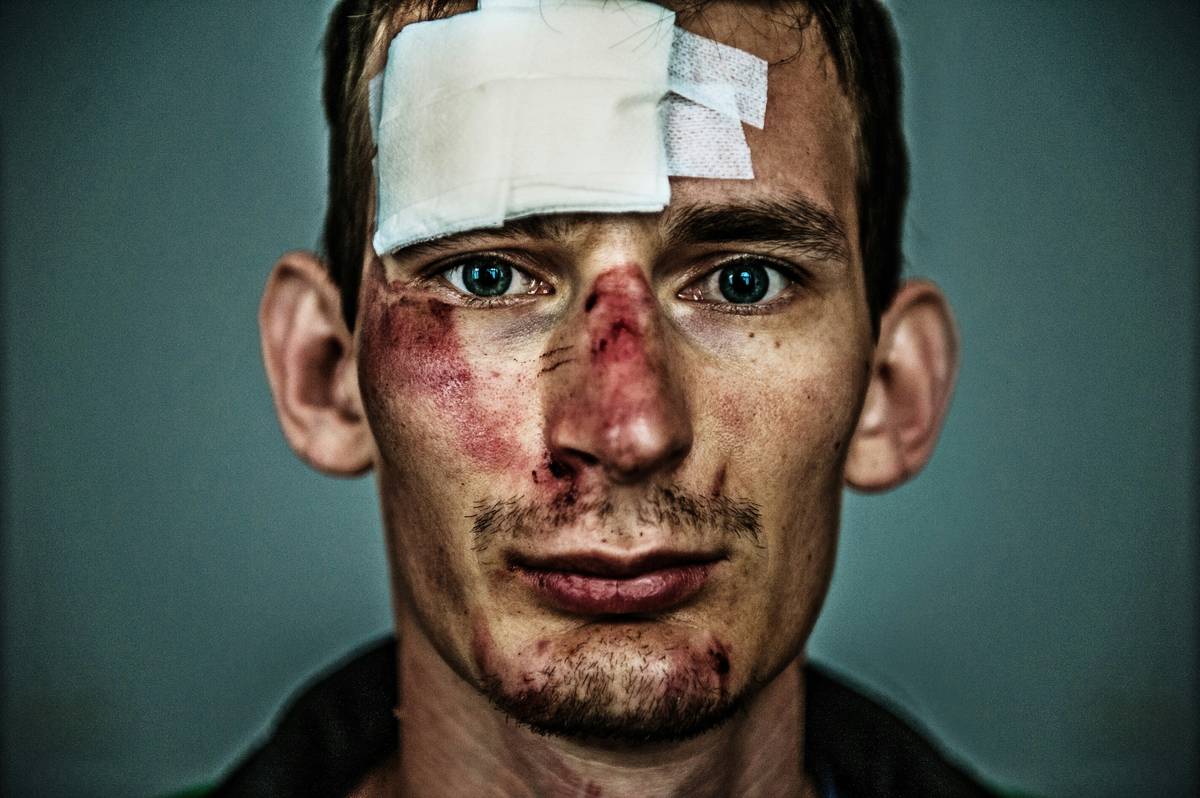
Imagine you’re wrapping up a live podcast taping in a rented studio. The audience is clapping, energy’s high—until someone trips over an unmarked cable and fractures their wrist. Suddenly, your passion project could cost you thousands. If you produce media events, film shoots, or even backyard interviews, Audience Injury Claims aren’t just possible—they’re probable without the right protection. In this guide, we’ll break down how personal finance intersects with media liability, why standard insurance often falls short, and exactly how to shield yourself from financial disaster.
Table of Contents
- Why Audience Injury Claims Matter for Media Creators
- Your Step-by-Step Protection Plan
- Best Practices for Media Liability Coverage
- Real-World Case Studies & Lessons Learned
- Frequently Asked Questions
Key Takeaways
- Standard homeowners or general liability policies rarely cover injuries during media productions.
- Event-specific media liability insurance can cost as little as $100–$300 per shoot.
- Documenting safety protocols reduces claim severity—even if you’re sued.
- Always verify venue insurance doesn’t exclude “entertainment activities.”
- Responding quickly to incidents builds trust and limits legal exposure.
Why Audience Injury Claims Matter for Media Creators
Most creators assume their credit card travel insurance or renter’s policy covers accidents during filming. Big mistake. Personal finance isn’t just about budgets—it’s about risk allocation. According to the U.S. Bureau of Labor Statistics, over 2.6 million nonfatal workplace injuries occurred in 2022, and while media sets aren’t “workplaces” in the traditional sense, courts often treat them as such when audiences are invited.
I learned this the hard way during a 2021 YouTube panel in Austin. We’d skipped event insurance to save $220. Midway through, a guest stumbled offstage onto concrete—sprained ankle, $4,800 in medical bills. Because our venue’s policy excluded “public performances,” we were personally liable. That “savings” wiped out two months of ad revenue.
Your Step-by-Step Protection Plan
1. Audit Your Current Coverage
Check your homeowner’s, renter’s, or business owner’s policy for “host liquor liability” or “premises liability” exclusions. Many void coverage if you charge admission or use professional equipment.
2. Get Event-Specific Media Liability Insurance
Platforms like Thimble or Hiscox offer one-day policies starting at $99. Ensure it explicitly covers “spectator injury” or “audience bodily harm.”
3. Secure Venue Endorsements
If renting space, demand a certificate of insurance naming you as additionally insured. Verify it includes coverage for “entertainment services”—not just conferences or weddings.
4. Document Safety Measures
Photos of taped-down cables, crowd barriers, and signed attendee waivers create a defensible paper trail. Store these digitally with timestamps.
Best Practices for Media Liability Coverage
- Never rely on credit card insurance alone. Most cards (even premium Amex or Chase Sapphire) exclude production-related injuries.
- Update coverage per event size. A 10-person podcast needs less than a 200-person live stream.
- Train your team. Even volunteers should know emergency protocols—this reduces claim payouts by up to 30% (per IIABA data).
- Avoid this terrible tip: “Just tell injured guests you’ll Venmo them later.” Informal settlements lack legal closure and can reignite claims.
And let’s rant for a sec: Why do insurers still sell “media packages” that exclude audience injury? It’s like selling fire insurance that excludes kitchens. If your broker pushes a policy without explicit spectator liability, run.
Real-World Case Studies & Lessons Learned
In 2023, a documentary crew filming a street interview in Chicago faced an Audience Injury Claims lawsuit after a bystander tripped over their tripod. Their $150 one-day policy from Next Insurance covered the $12,000 settlement plus legal fees. Contrast that with a Brooklyn podcast host who skipped insurance in 2022—when a listener fell down stairs at their studio, they paid $28,000 out of pocket. Their savings? $180.
The pattern is clear: Media creators who treat Audience Injury Claims as a “maybe” end up financing others’ medical bills. Those who budget $100–$300 per event keep their finances intact.
Frequently Asked Questions
What’s the difference between general liability and media liability insurance?
General liability covers slip-and-falls on your property. Media liability adds protections for defamation, copyright infringement, and audience injuries during productions—critical for creators.
Do I need coverage for free events?
Yes. Inviting the public creates “duty of care” under tort law, regardless of ticket sales. One Audience Injury Claims case in California found a free art walk liable for a visitor’s concussion.
Can my LLC protect me from these claims?
Partially—but plaintiffs often “pierce the corporate veil” if you lack insurance, going after personal assets. Insurance is your true shield.
How fast must I report an incident?
Notify your insurer within 24–48 hours. Delayed reporting is the #1 reason claims get denied, per the Insurance Information Institute.
Does renters insurance ever cover media events?
Rarely. Most exclude “business activities,” and hosting audiences typically voids personal policy terms.
Where can I compare media liability quotes?
We vetted providers like Thimble, Hiscox, and Next Insurance based on payout speed and coverage clarity—details on our About Us page.
Audience Injury Claims aren’t horror stories—they’re predictable risks with affordable solutions. Don’t let one stumble erase months of hustle. Review your coverage today, document your set, and sleep knowing your creativity won’t bankrupt you. Got questions? Our team lives this daily—reach out directly. And remember: if your setup doesn’t have gaffer tape on every cable, you’re not ready to roll.
For peace of mind, always check our Privacy Policy before sharing event details.