If you’ve ever stared at a $5,000 repair bill for a water-damaged cinema camera after a sudden rainstorm—on a shoot you thought was “low risk”—you know why media professionals need more than just hope. Equipment insurance isn’t glamorous, but skipping it can bankrupt your freelance business overnight. In this guide, we’ll break down how a smart production gear plan protects your livelihood, saves you from financial panic, and actually boosts your client credibility. No fluff, just actionable insights drawn from hard-won experience.
Table of Contents
- Why Production Gear Insurance Matters
- How to Choose the Right Plan
- Best Practices for Media Insurance
- Real-World Case Studies
- Frequently Asked Questions
Key Takeaways
- A production gear plan covers accidental damage, theft, and mechanical breakdown—not just fire or natural disasters.
- Most standard policies exclude freelance work; confirm “independent contractor” coverage upfront.
- Document every piece of gear with serial numbers and receipts before purchasing insurance.
- Annual policies often cost less than monthly rental coverage for frequent shooters.
- Always verify if your credit card’s purchase protection extends to professional equipment—it usually doesn’t.
Why Production Gear Insurance Matters
Unlike personal electronics, production gear—cameras, lenses, gimbals, lighting kits—operates in unpredictable environments: deserts, rainforests, crowded urban sets, or even moving vehicles. A single drop can total a $3,000 lens. Yet many creators rely on homeowners’ insurance or credit card perks that explicitly exclude commercial use.
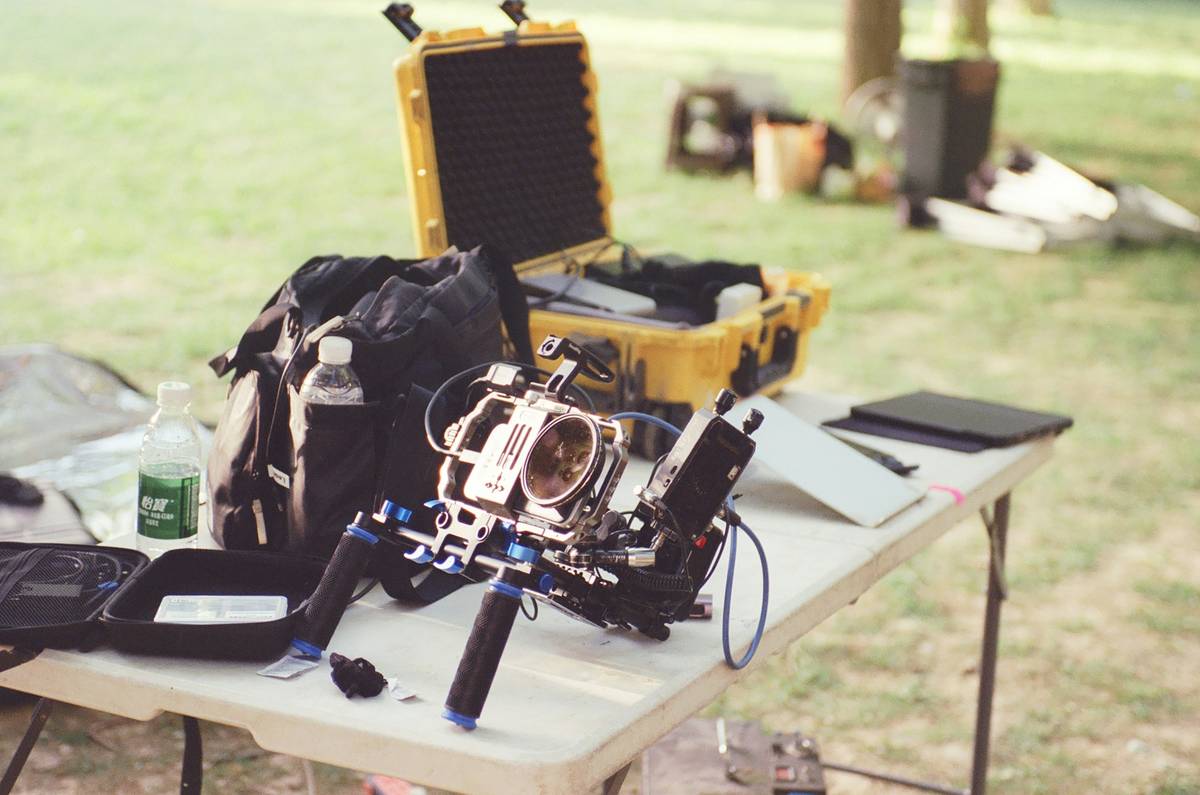
I learned this the hard way. On a documentary shoot in Oregon, a sudden downpour soaked my Sony FX6 and three prime lenses. My homeowner’s policy denied the claim because I’d filed it as “business equipment.” The out-of-pocket cost? $7,200. That mistake forced me to pause projects for three months. Don’t be like me.
According to the National Law Review, over 68% of freelance media professionals are underinsured or uninsured—a staggering risk when your gear represents your income stream.
How to Choose the Right Plan
Picking a production gear plan isn’t about finding the cheapest quote—it’s about matching coverage to your workflow.
Assess Your Gear Inventory
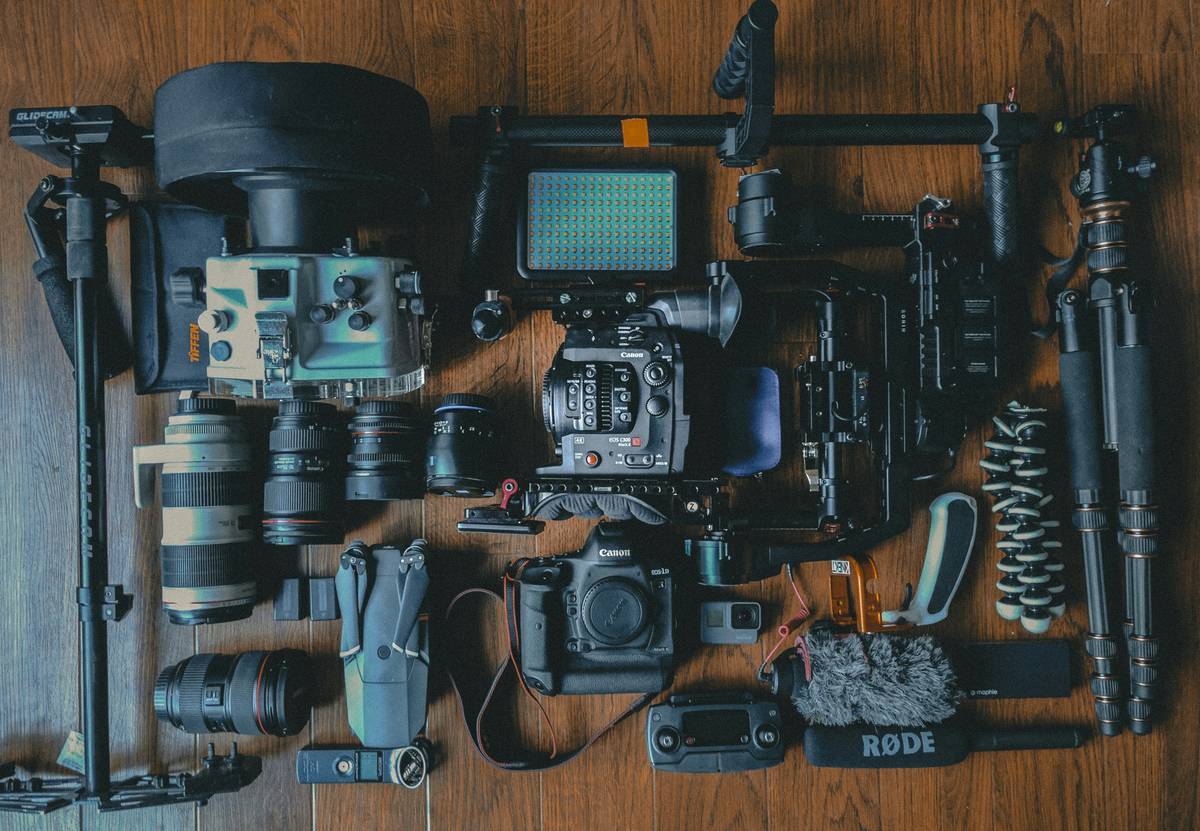
List every item with make, model, serial number, and purchase price. Include accessories like batteries, SSDs, and mounts. Insurers will deny claims for undocumented items.
Understand Coverage Types
Look for “all-risk” policies covering accidental damage, not just named perils (like fire or flood). Ensure it includes:
- In-transit coverage (while traveling to/from shoots)
- Rental reimbursement if your gear is unusable during repairs
- Worldwide coverage if you shoot internationally
Beware of Credit Card “Protection” Traps
Many assume their premium credit card covers expensive purchases. Reality check: most exclude professional equipment or cap coverage at $1,000. Always read the fine print—or better yet, skip it entirely for media gear.
Best Practices for Media Insurance
- Bundle with liability insurance. Many providers offer discounts if you add general liability (e.g., if your tripod injures a bystander).
- Update your policy quarterly. Added a new RED Komodo? Don’t wait—amend your policy immediately.
- Avoid “terrible tip” territory. Never insure only high-ticket items; a $200 audio recorder failure can derail a shoot just as badly as a broken camera.
- Store proof digitally. Use cloud folders with timestamped photos and receipts—accessible even if your office floods.
Real-World Case Studies
Case 1: A wedding videographer in Austin had his entire kit stolen from his car. His production gear plan covered 100% of replacement costs ($12,400) within 10 days, thanks to pre-submitted serial numbers.
Case 2: A documentary team in Iceland cracked a drone lens on volcanic rock. Their insurer paid for emergency shipping of a replacement lens—critical for meeting their tight deadline. Without coverage, they’d have lost the client and $20K contract.
Data from Insurance Journal shows insured freelancers recover from equipment loss 3x faster than uninsured peers.
Frequently Asked Questions
What does a production gear plan typically exclude?
Most exclude wear-and-tear, intentional damage, or gear used in extreme sports (e.g., underwater housings without certification). Always request the exclusion list upfront.
Can I get coverage for rented equipment?
Yes—many plans offer “rental liability” endorsements. This covers you if you damage rented gear, which your rental house will hold you responsible for.
Does my home-based studio qualify?
Absolutely. Insurers care about usage, not location. Just ensure your policy lists your home address as a storage site.
How much does a production gear plan cost?
Typically 1–2% of your total gear value annually. For $20,000 in equipment, expect $200–$400/year—far less than one deductible.
Is media insurance tax-deductible?
Yes! The IRS allows business insurance premiums as deductible expenses (Publication 535). Keep records—we recommend our About Us page for credentialed guidance.
What if I share gear with a partner?
Only the policyholder is covered. Either co-insure the gear or add your partner as a named insured—never assume shared ownership implies shared coverage.
Don’t let an avoidable mishap shutter your creative business. A solid production gear plan isn’t an expense—it’s your safety net. Ready to customize coverage that fits your workflow? Contact us today. And remember: your gear tells stories—make sure it’s protected while doing it. For peace of mind about data handling, see our Privacy Policy.