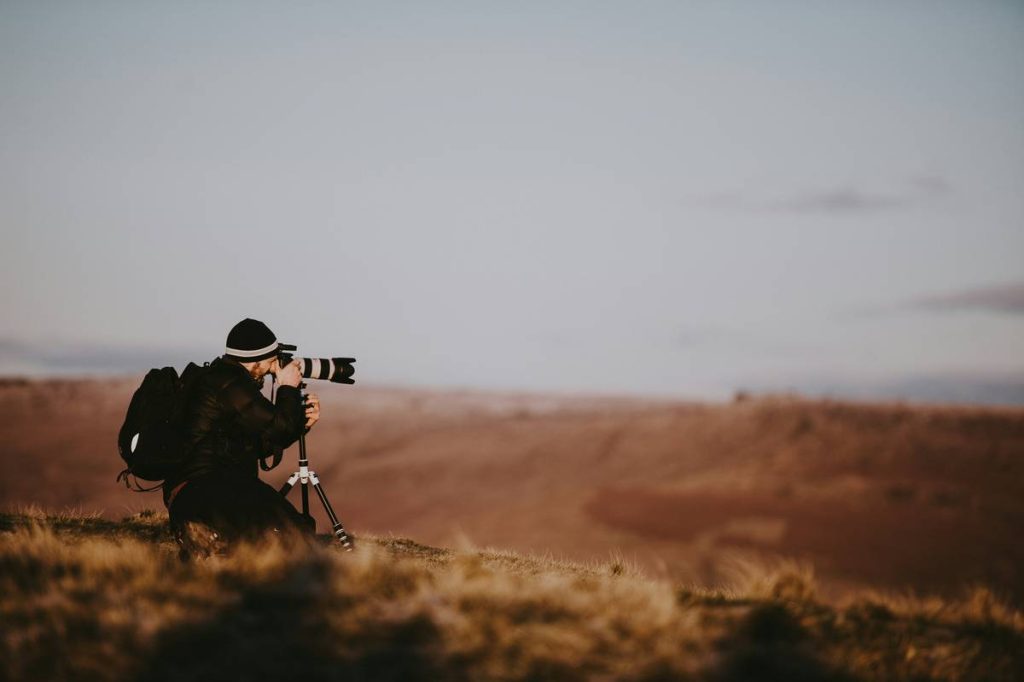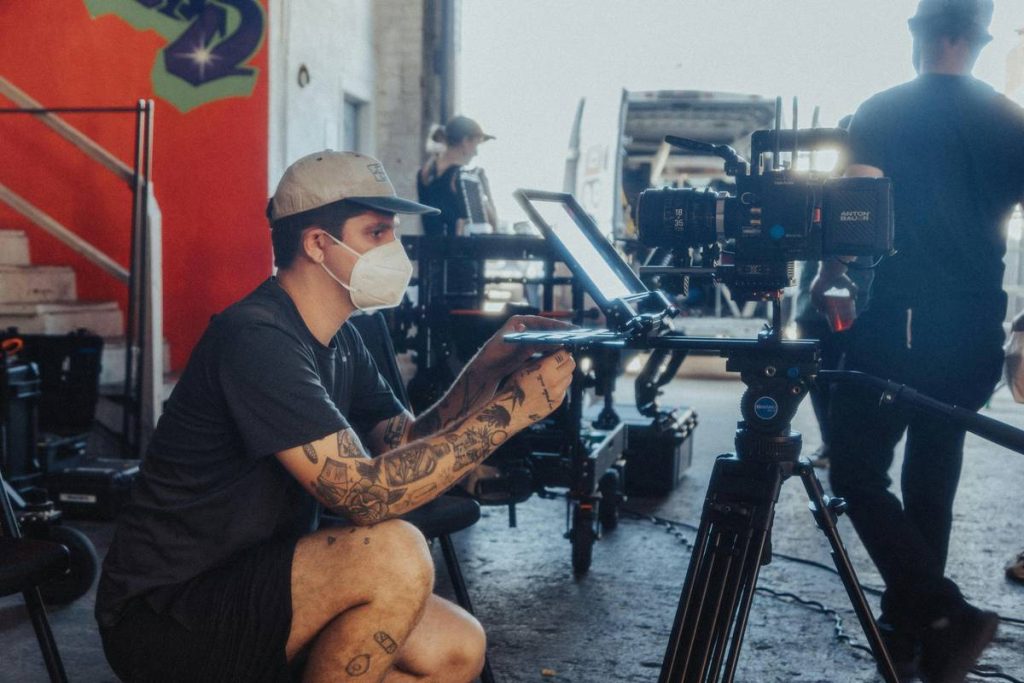
You spent thousands on that camera rig. Weeks planning the shoot. Then—disaster. Stolen from your car. Dropped in a puddle. Fried by a power surge. Standard insurance? It barely blinked. An equipment loss plan isn’t optional for creators, freelancers, or small studios—it’s your financial airbag when chaos hits.
Why Homeowners, Renters, and Basic Business Policies Fail Creators
Most people assume their gear is “covered” under existing policies. It’s not—or not meaningfully.
Homeowners insurance caps payout per item (often $500–$1,000). And excludes professional use. Renters policies? Similar limits—and they vanish if you’re working off-site. Even general business liability skips physical assets unless explicitly added.
And here’s the kicker: depreciation. Insurers pay *actual cash value*—so your $4,000 drone might net you $1,200 after “wear and tear.” You’re left scrambling to replace critical tools mid-project.
How to Build a Real Equipment Loss Plan That Actually Pays Out
Forget blanket coverage. Precision wins. Here’s how to structure protection that works when it matters:
Step 1: Inventory Every Single Piece—With Proof
List serial numbers, purchase dates, receipts. Store this offsite (cloud or safety deposit box). Without proof of ownership? Claim denied. Period.
Step 2: Choose Replacement Cost Over Actual Cash Value
This costs slightly more upfront—but pays to replace gear *new*, not depreciated junk. Non-negotiable for tech that loses 30% value in year one.
Step 3: Match Coverage to Your Risk Profile
Are you shooting weddings downtown? Covering concerts? Traveling internationally? Your exposure dictates deductible, limits, and exclusions. Don’t overpay for risks you don’t face—but never under-cover core assets.
| Coverage Type | Typical Deductible | Payout Basis | Covers Off-Site? | Ideal For |
|---|---|---|---|---|
| Standard Homeowners/Renters | $500–$1,000 | Actual Cash Value | Limited or No | Hobbyists with <$1k gear |
| General Business Property | $1,000+ | Often ACV (negotiable) | Sometimes | Brick-and-mortar studios |
| Dedicated Equipment Loss Plan | $0–$500 | Replacement Cost | Yes—globally | Freelancers, field crews, mobile creators |
The Industry Secret: Bundling Beats Standalone Policies Every Time
Here’s what brokers won’t volunteer: media professionals who bundle equipment coverage with liability and errors & omissions often get 15–25% lower premiums than buying each policy separately. Why? Insurers see bundled clients as lower-risk—more organized, more committed to protecting their business.
And—this is critical—bundled plans usually include “new-for-old” clauses without extra riders. Standalone equipment policies often hide that behind fine print. Always ask: “Is replacement cost standard or an add-on?” If they hesitate, walk away.
Frequently Asked Questions
Does an equipment loss plan cover accidental damage?
Yes—if you select comprehensive coverage. Most dedicated plans include drops, spills, power surges, and theft. Exclusions (like wear-and-tear) are clearly listed.
Can freelancers qualify for this coverage?
Absolutely. Insurers like Hill & Usher, Front Row Insurance, and Hiscox specialize in independent media professionals. You don’t need an LLC—just proof of income and gear inventory.
How fast do claims get paid?
Reputable providers settle within 7–14 days of receiving documentation. Delays usually stem from incomplete inventories—not insurer foot-dragging.